
Waste Trade Supporting Sustainable Resource Management for Environmental Improvement
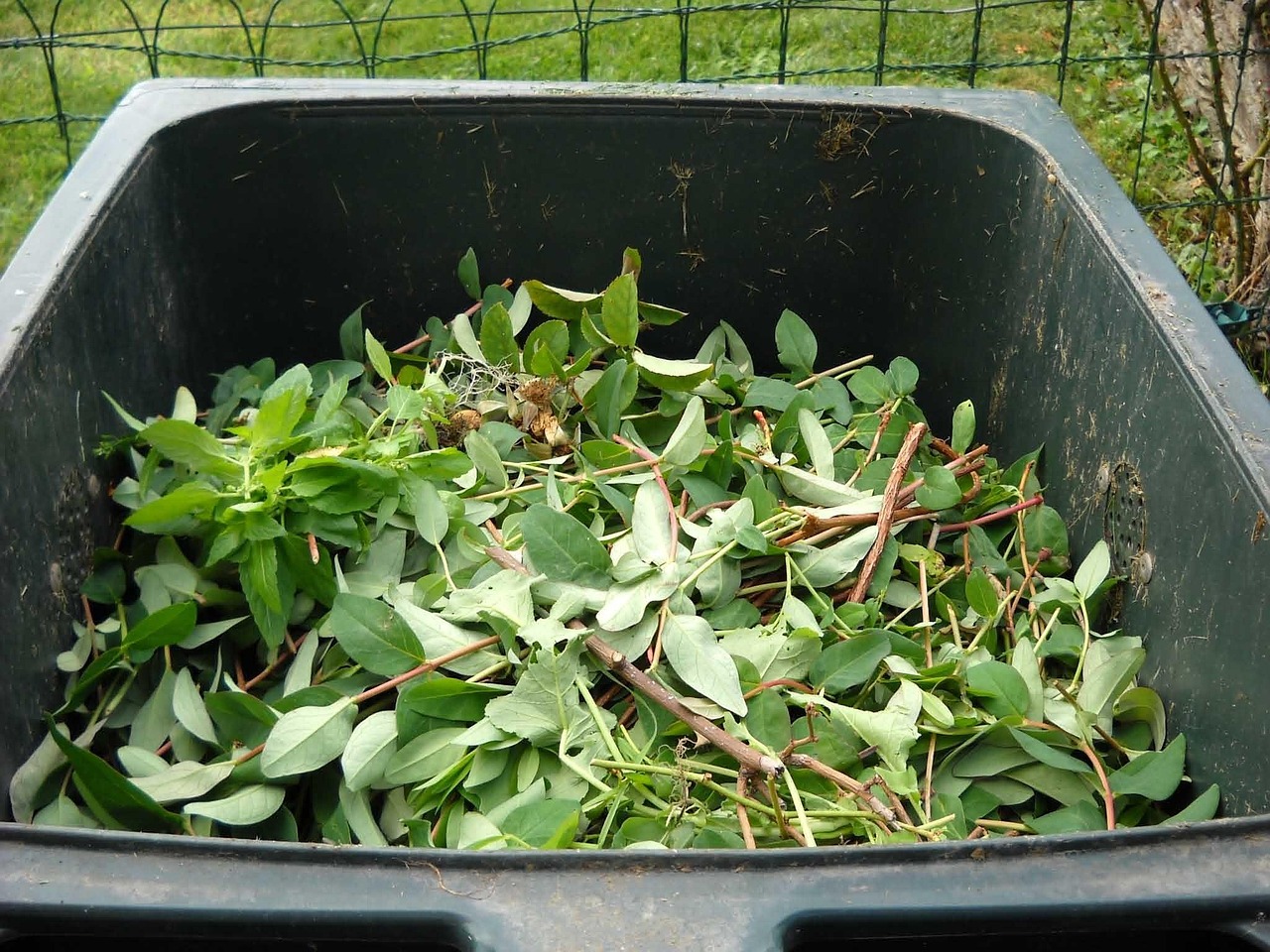
We often look at a bin full of discarded items and see the end of a story. We see clutter, we see landfill mass, and we see a problem that needs to be hidden away. But if you shift your perspective just a little, that same bin transforms into something entirely different. It becomes a mine of valuable raw materials waiting for a second life. This is where the global waste trade steps in, not merely as a disposal mechanism, but as a vital artery in the heart of sustainable resource management.
The concept of trading waste across borders has evolved significantly. It is no longer just about shipping refuse out of sight. Today, it is about moving resources to where they are needed most and where they can be processed most efficiently. When we talk about sustainability, we usually picture solar panels or electric cars, but the logistics of moving recyclable materials is just as crucial. By treating waste as a tradable commodity, we unlock a massive array of environmental and economic benefits that drive us closer to a truly circular economy.
The Trending Shift From Waste to Wealth
One of the most positive trends we are seeing right now is the global realization that we cannot keep digging new holes in the ground forever. We live on a planet with finite resources, yet our appetite for consumption continues to grow. The waste trade bridges this gap. It allows materials that have been discarded in one part of the world to become the essential feedstock for manufacturing in another.
This shift changes the narrative from disposal to recovery. When a country exports scrap metal, paper, or specific plastics, they are essentially exporting energy and raw materials. This trade fosters a global marketplace where value is recognized in what was previously considered valueless. It encourages nations to develop better sorting facilities and cleaner processing technologies because the market demands high-quality recyclables. This competitive drive lifts the standards for waste management globally, turning a local burden into a global asset.
By The Numbers: The Efficiency of Recycling Trade
While we often hear about the volume of waste generated, the statistics regarding resource recovery through trade tell a hopeful story of efficiency. The core benefit here is the massive reduction in energy consumption.
Consider aluminum. Manufacturing new aluminum from virgin bauxite ore is an incredibly energy-intensive process. However, producing aluminum from recycled scrap saves a tremendous amount of energy—often cited as high as 95% less energy compared to primary production. The waste trade facilitates this by moving scrap aluminum from areas of high consumption to areas with the industrial capacity to melt and reform it.
The same logic applies to paper and steel. Recycling steel saves nearly 74% of the energy used to produce it from raw iron ore. By trading these materials internationally, we ensure that scrap finds its way to the most efficient foundries and mills, maximizing these energy savings on a global scale. Every ton of material traded and recycled is a ton of material that does not need to be extracted from the earth, processed, and transported, significantly lowering the collective carbon footprint of industrial production.
Does waste trade really protect natural ecosystems?
This is a common question, and the answer lies in what we don’t have to do when we trade and recycle waste. Every piece of plastic, metal, or paper that is recovered and traded represents a tree that didn’t need to be cut down, ore that didn’t need to be mined, or oil that didn’t need to be extracted.
Mining and logging are two of the most destructive human activities regarding biodiversity loss and habitat destruction. They disrupt ecosystems, pollute water sources, and alter landscapes permanently. By supporting a robust trade in secondary materials, we reduce the pressure on these natural ecosystems.
For example, the trade in recovered fiber (waste paper) directly reduces the demand for virgin pulp. This means fewer forests are harvested for paper production. In a world where deforestation is a critical concern for climate stability and wildlife preservation, the ability to move recovered paper to mills that can turn it into new packaging or newsprint is a direct environmental benefit. The waste trade acts as a buffer, protecting our forests and landscapes from unnecessary exploitation.
How does this support the circular economy?
You hear the term circular economy everywhere these days, but what does it actually look like in practice? It looks like a global network of exchange where nothing becomes waste, and everything becomes food for the next process. The waste trade is the logistics arm of the circular economy.
In a strictly local system, a small country might generate more recyclable plastic than it has the capacity to process. Without trade, that excess material might end up in a landfill simply because the local infrastructure cannot handle it. However, through international trade, that material can be shipped to a facility in another country that has excess processing capacity and a demand for that specific type of plastic.
This matching of supply and demand is essential. It ensures that materials stay in the production loop for as long as possible. It prevents valuable resources from being buried in the ground simply due to geographical imbalances in processing capabilities. By facilitating the movement of these materials, the waste trade ensures that the loop remains closed, and the value of the resources is preserved for future generations.
What are the benefits for developing economies?
The narrative around waste trade often misses the economic empowerment it can provide. For many developing nations, the import of recyclable materials serves as a cheaper, more accessible source of raw materials for their growing industries.
Access to affordable scrap metal, for instance, allows developing nations to build infrastructure—bridges, buildings, and machinery—without the exorbitant cost of importing virgin steel or developing domestic mining operations from scratch. This access accelerates industrialization and development in a way that is less resource-intensive than the path taken by historically industrialized nations.
Furthermore, the industry surrounding the handling, sorting, processing, and trading of these materials creates jobs. These aren’t just manual labor jobs; as the industry modernizes, it creates demand for logistics experts, engineers, environmental compliance officers, and trade specialists. It fosters a new sector of the economy focused entirely on resource recovery and management, contributing to sustainable economic growth.
Can waste trade drive technological innovation?
Necessity is the mother of invention, and the complexities of the global waste trade have driven significant innovation in waste management technologies. Because the global market increasingly demands high-purity materials (meaning bales of plastic or paper that are not contaminated with other garbage), facilities are investing in better technology.
We are seeing the rise of advanced sorting systems using artificial intelligence and robotics that can identify and separate different types of plastics and metals with incredible speed and accuracy. These technologies might have been too expensive to develop for small local markets, but the scale of the global trade makes them viable and necessary.
This technological leap doesn’t just help with traded waste; it improves the overall waste management infrastructure of the countries involved. Once these technologies are in place, they can be used to process domestic waste streams more effectively as well. The drive to participate in the global market raises the baseline for how we handle all our resources.
How does this impact global carbon emissions?
When we talk about climate change, we usually talk about emissions from cars and power plants. But a huge chunk of global greenhouse gas emissions comes from the production of goods—digging stuff up, moving it, and heating it until it turns into a product.
The waste trade is a powerful tool for decarbonization. As mentioned earlier, recycled materials require significantly less energy to process. Less energy means fewer fossil fuels burned, which means fewer carbon emissions entering the atmosphere.
By optimizing where recycling happens, trade further reduces emissions. If a country has a surplus of renewable energy (like hydro or geothermal), it makes environmental sense to process energy-intensive recyclables there. The waste trade allows us to move materials to the cleanest grids for processing, optimizing the carbon footprint of the recycling process itself. It creates a system where we are not just recycling, but recycling in the smartest, cleanest way possible.
Why is market resilience important for sustainability?
Sustainability isn’t just about the environment; it is about creating systems that can last. A system that relies entirely on virgin extraction is vulnerable to price shocks, geopolitical conflict, and resource depletion. A system that incorporates a healthy trade in secondary materials is more resilient.
When manufacturers have access to a global pool of recycled materials, they are less dependent on the volatility of commodity markets. This stability encourages companies to invest in long-term sustainable practices. It allows them to commit to using higher percentages of recycled content in their products because they know the supply chain is robust enough to support it.
This resilience also extends to the waste management sector itself. When local demand for recyclables drops, having access to international markets ensures that collection programs don’t collapse. It provides a safety valve that keeps recycling programs running even when local economic conditions fluctuate, ensuring that habits of recycling continue uninterrupted.